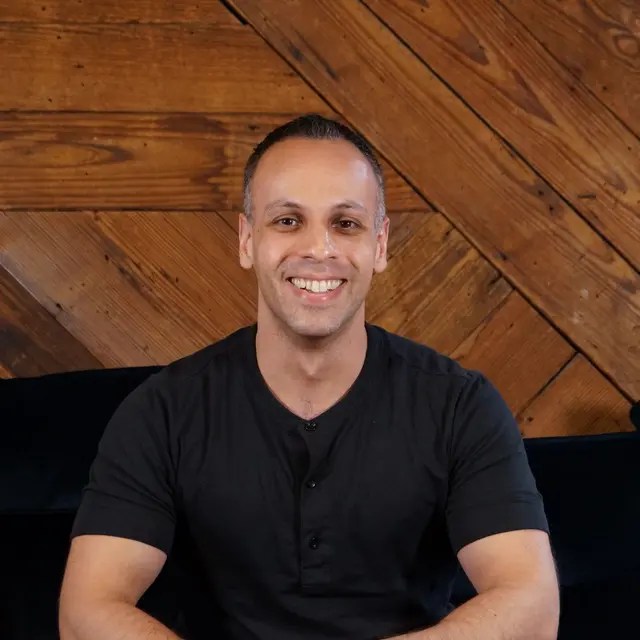

Louis Rossmann, an electronics technician, YouTuber, and consumer-rights activist who co-founded the FULU Foundation, is targeting a controversial part of the Digital Millennium Copyright Act (DMCA) in a new series of videos.
Section 1201 of the DMCA is the passage at issue. The section treats certain kinds of software alteration, such as DRM removal, as “breaking a digital lock” and violating the copyright of the software’s designer. The intent is to prevent digital piracy, but the section has been used by corporate giants like Apple, John Deer, and Sony to prevent users and third-party technicians from repairing or modifying items they bought and own.
Section 1201 has been embraced by tech companies who use it as a shield against things like generic-brand replacements for components; a notable example Rossmann cites is printer cartridges.
“I despise this law, and it is the law FULU Foundation is dedicated to reforming in the United States,” Rossmann said.
Section 1201 came up recently in regards to a conflict between an independent software developer and 3D printer company Bambu Lab. After Bambu modified their software and terms of service to limit how users could use third-party software, the developer uploaded a forked version of the software that restored the printers’ original functionality.
Bambu cited Section 1201, a part of the DMCA that carries the potential of up to 10 years in prison for repeat violations, in their notice to the developer. He took down the fork, and after reviewing the details of the case, Rossmann offered $10,000 toward the developer’s legal defense if he put it back up.
“I’m not interested in a protracted legal battle,” Rossmann quoted the developer as saying. “I simply wanted to make a point that Bambu Lab is violating AGPL.”
The GNU Affero General Public License (AGPLv3) is an open-source “copyleft” license. Copyleft licenses are open-source, and allow users to modify, share, and redistribute the underlying work on the condition that any modified or derivative work also has to be shared using the same type of license.
Bambu Lab reportedly used AGPL code to develop the software for their printers. If true, filing a DMCA claim against someone who posts a modified version of the software seemingly violates the terms of the original license.
That’s a lot of technical talk. In one of his videos on the topic, Rossmann broke it down in layman’s terms:
“The way that this software license works is, if I make a program using AGPL, that means that if anybody uses my code, they have to make my code available, they have to make their changes available for free, they have to allow anybody to redistribute it and modify it in any way,” Rossmann explained. “So if I make closed-source software, you don’t have the right to the code to that software. But if I make open-source software, and you decide to use my software to make your software, you have to make the changes available. If you don’t like it, you don’t use my code. Bambu Lab chose to use other people’s code when they were making their software, and the code that they were using was AGPL. What that means is that when Bambu Lab uses that code to make their own software, they have to make elements of their own software available for anybody to use, redistribute, or modify. That’s the law, that’s the way it works, that’s what they agreed to at the point when they used it.”
FULU has written up a detailed blog post on the situation here.
Rossmann’s activism started with right-to-repair laws, which tie directly into his main business (Rossmann Repair Group in Austin, TX). He has since expanded his scope of interest to include a number of related causes, making videos about (and lobbying against) corporate enshittification. Rossmann speaks out against consumer-hostile practices ranging from corporate surveillance to feature-blocking by internet-connected devices.
Per FULU’s website, “FULU Foundation exists to inform, mobilize, and equip consumers to take back control over their devices and content. We expose anti-consumer practices, challenge the legal frameworks that enable them, and work to build a culture that values true ownership. One where users, not corporations, decide how products are used and maintained. Through storytelling, advocacy, and public education, we aim to shift both policy and public perception.”



 Emerald City Video
Leave a comment